After the Arson’s Over
The Acid House
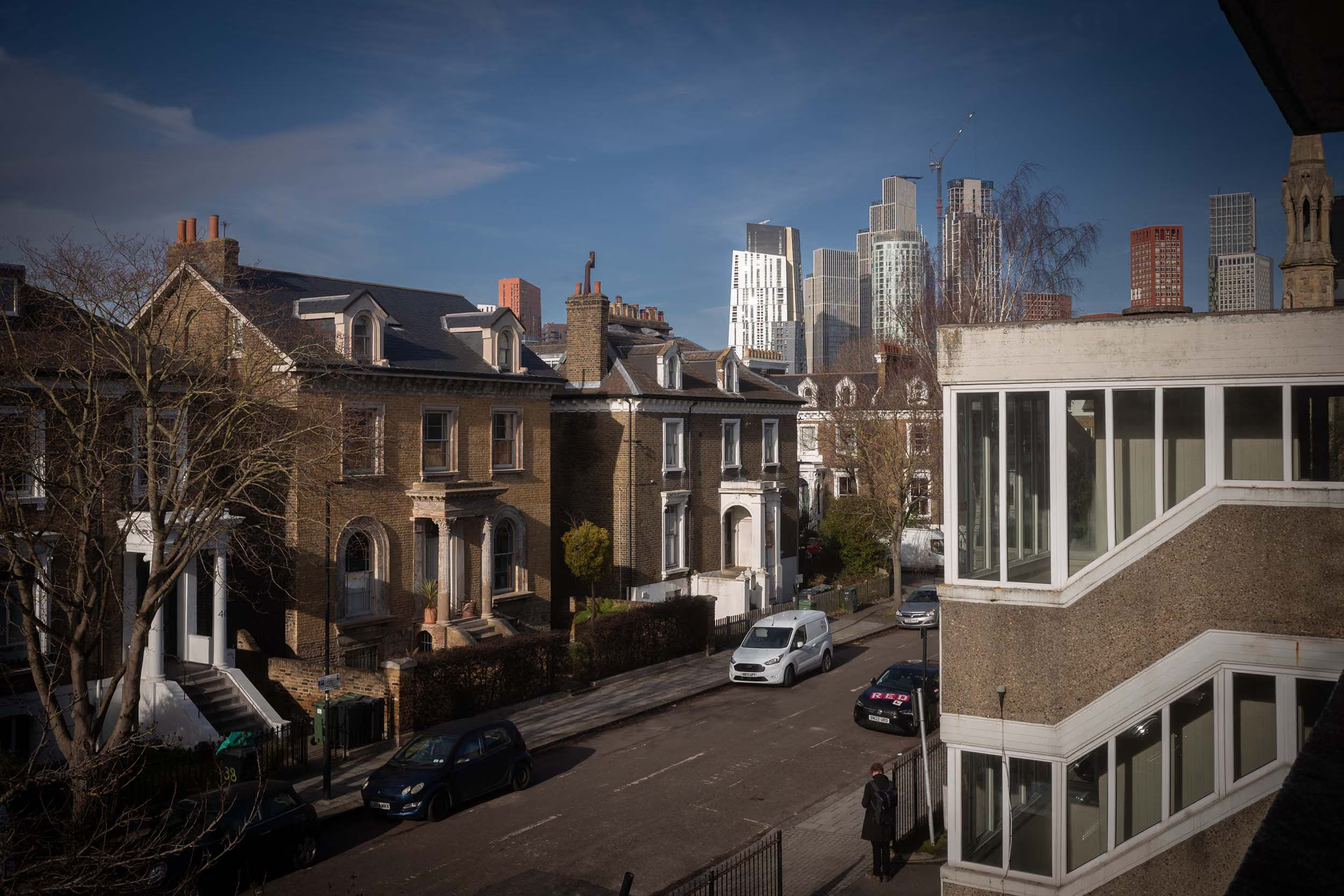
Stockwell, London
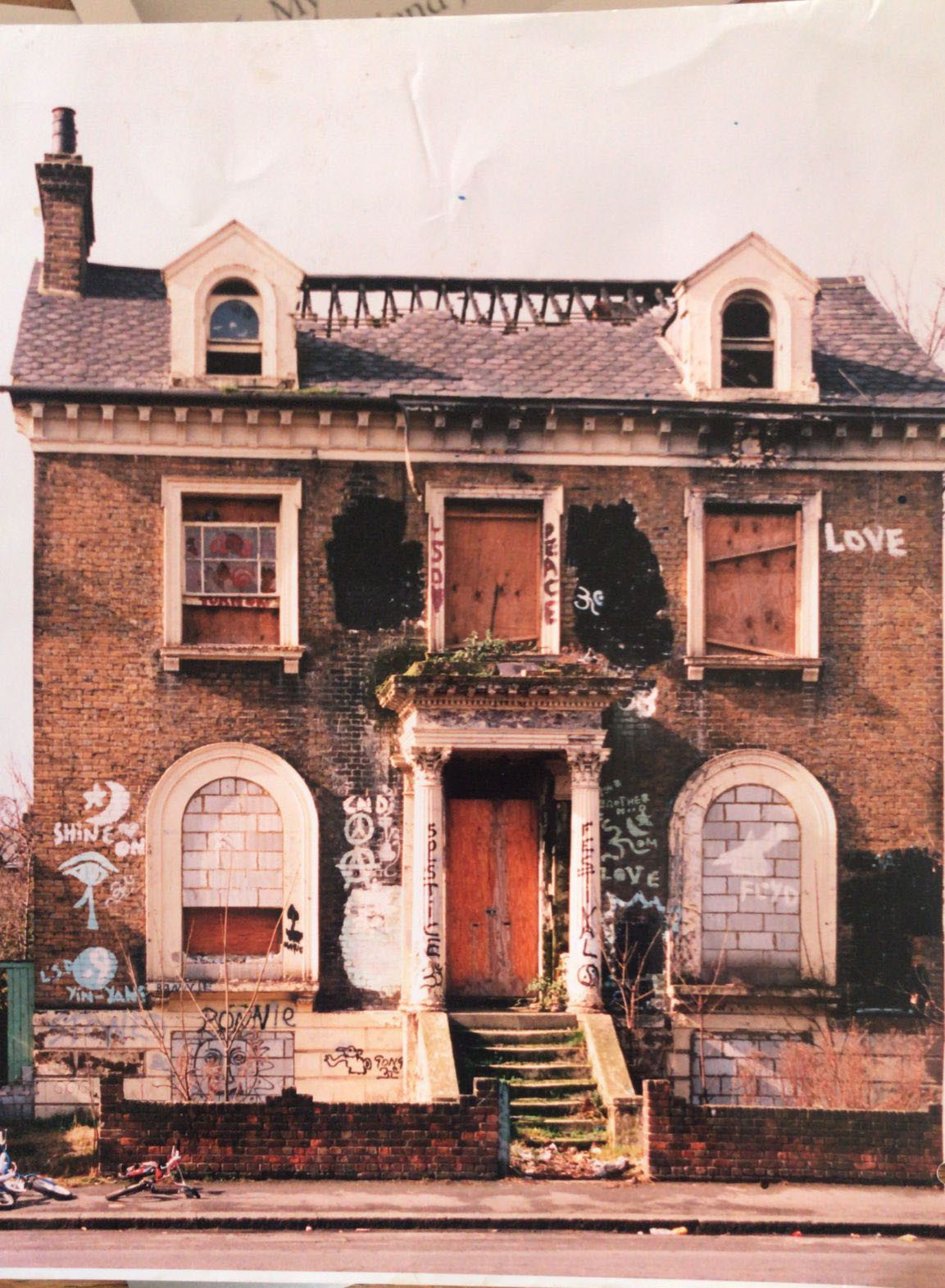
In the end it was fire, the last of several initiated by the house’s resident arsonist, that prompted the council to rehouse its residents elsewhere and bring to a close a wild period during which the property was known to locals as The Acid House.
By then the building had already been in serious decline for years. When No. 38 Guildford Road was Grade II listed in 1991, its condition was such that it was officially recorded simply as “derelict.”
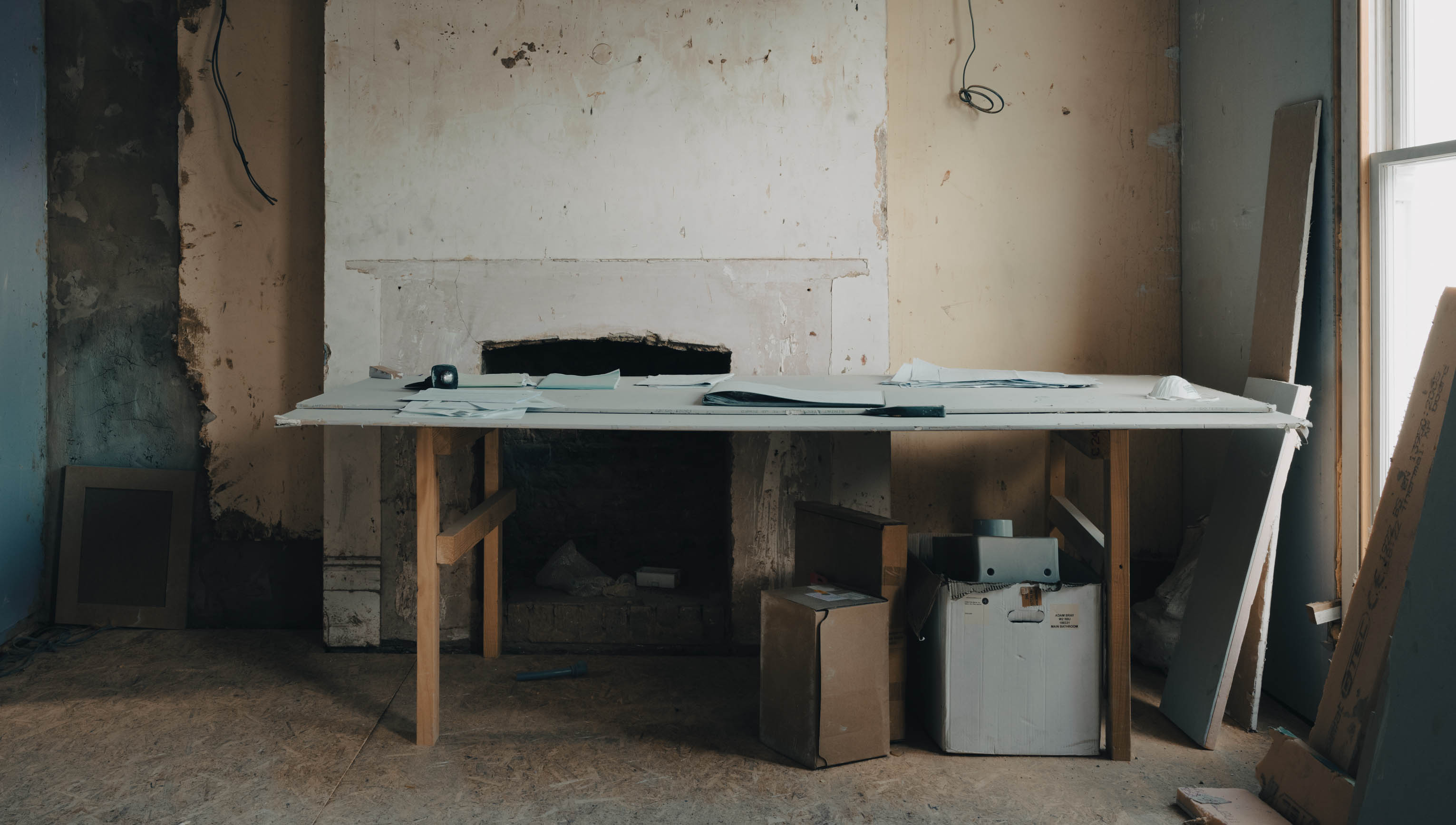
When, finally, the charred shell came up for auction, Jessie Mills, its dauntless purchaser, resolved that the restoration would remain true to the building’s original materials. In taking it on, Jessie wasn't simply restoring another Victorian house; she was rescuing a building that had come remarkably close to being lost altogether.
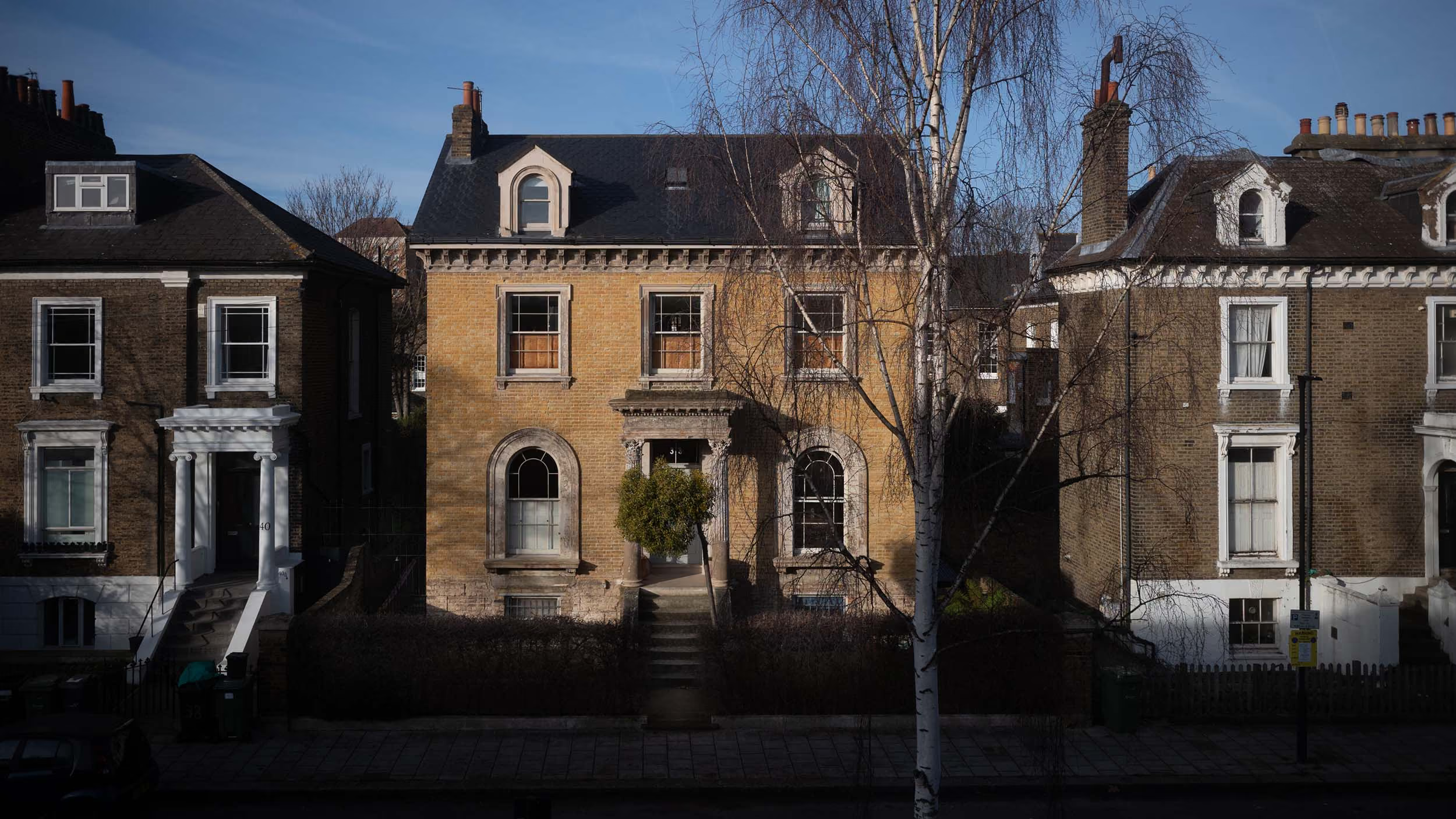
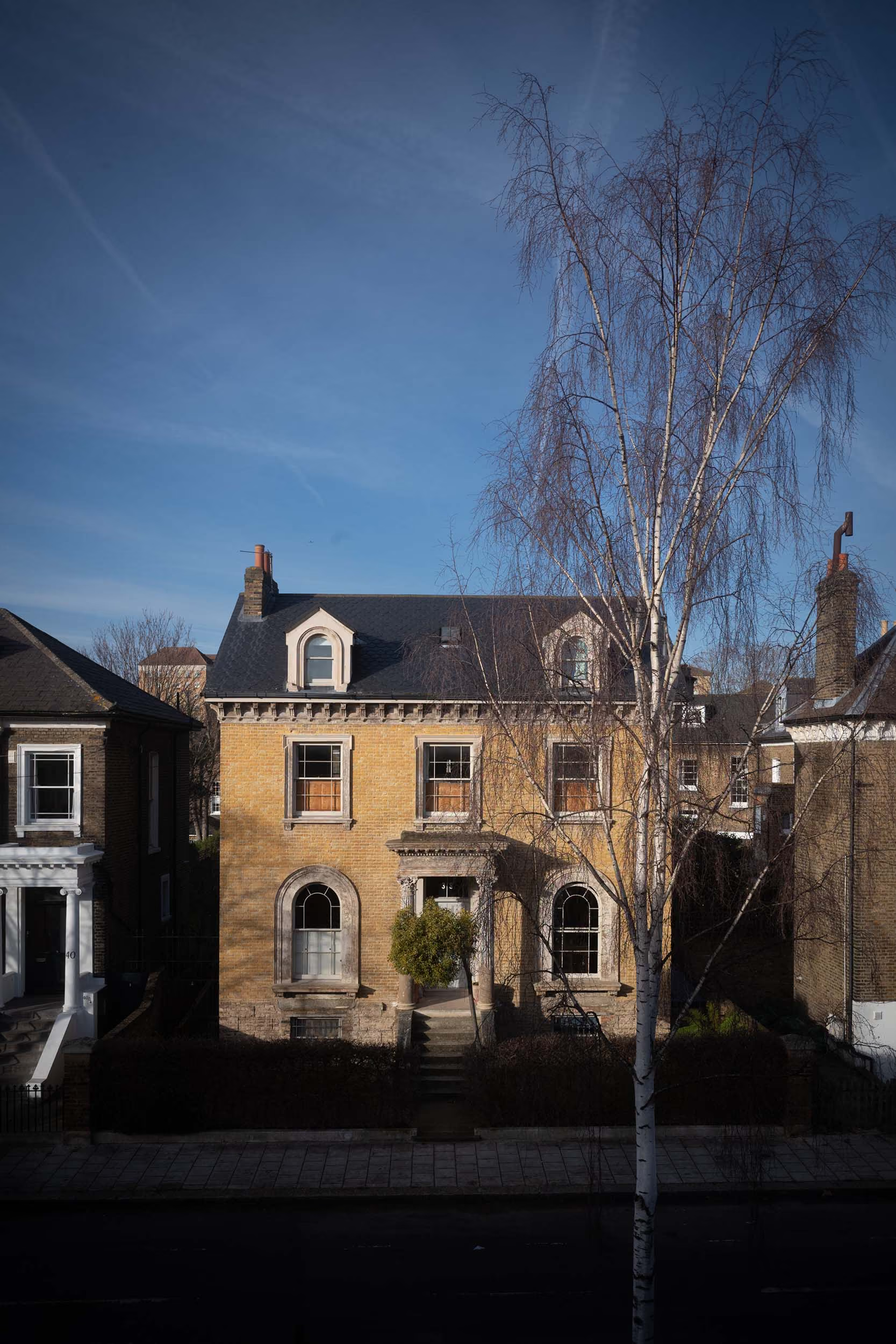
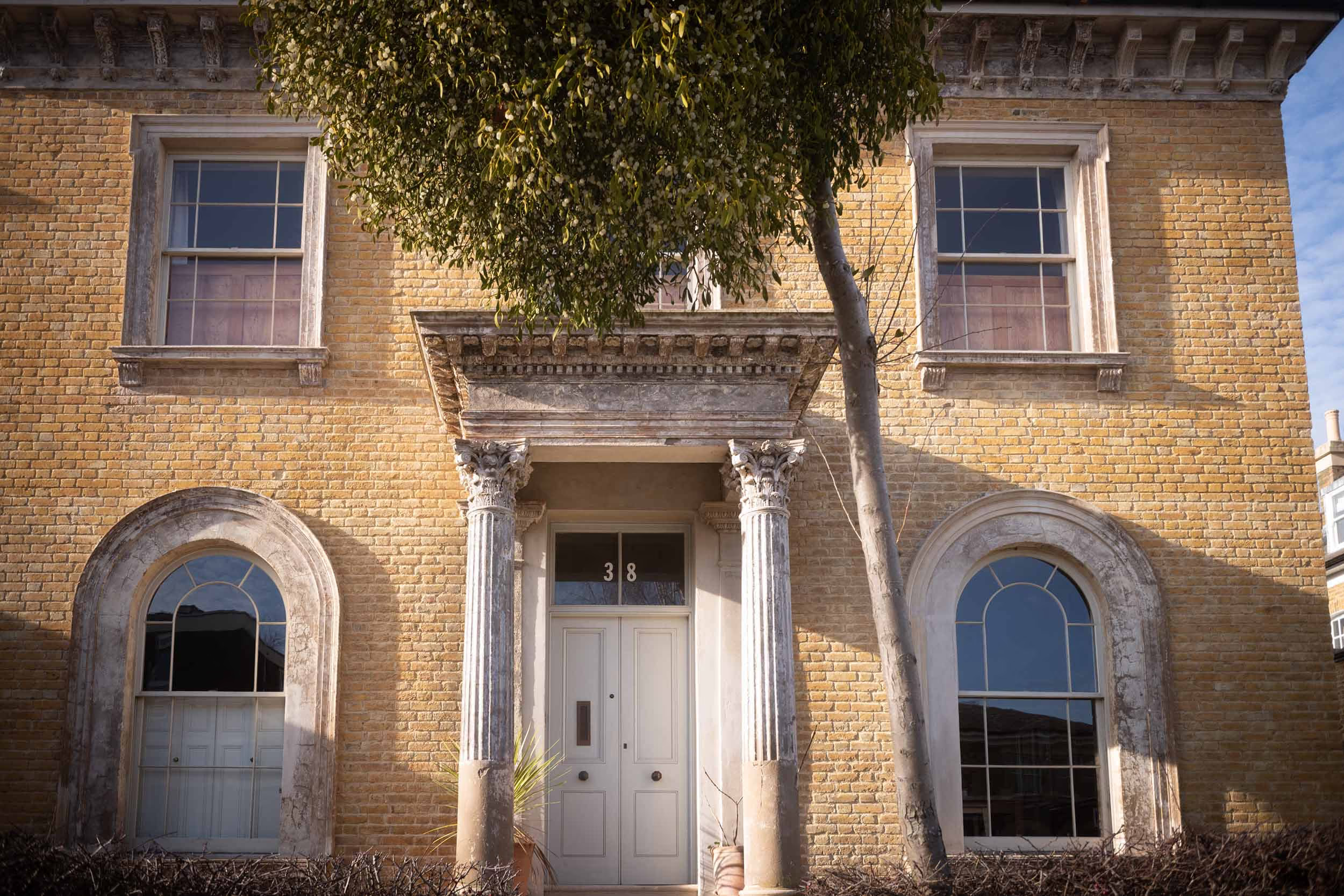
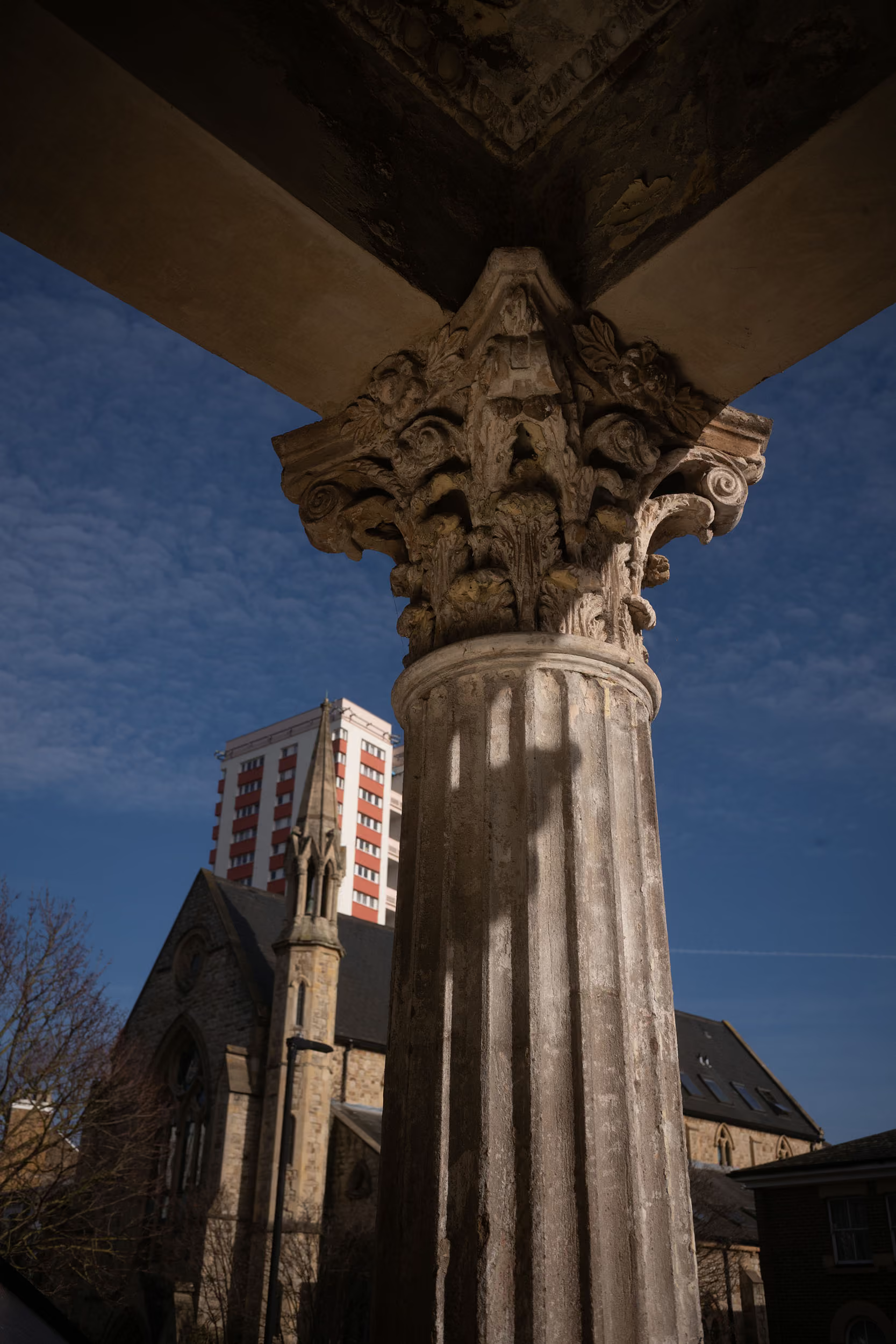
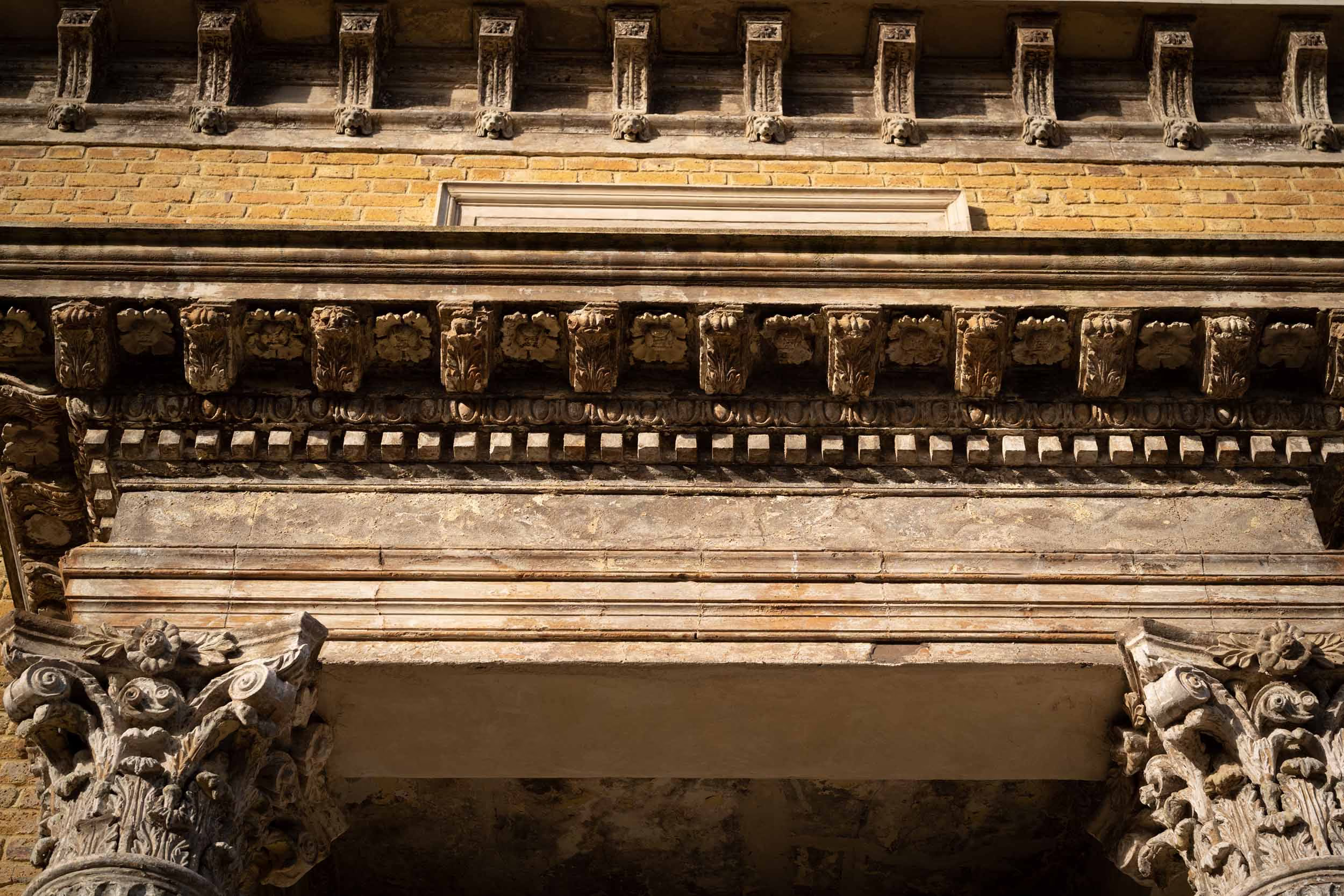
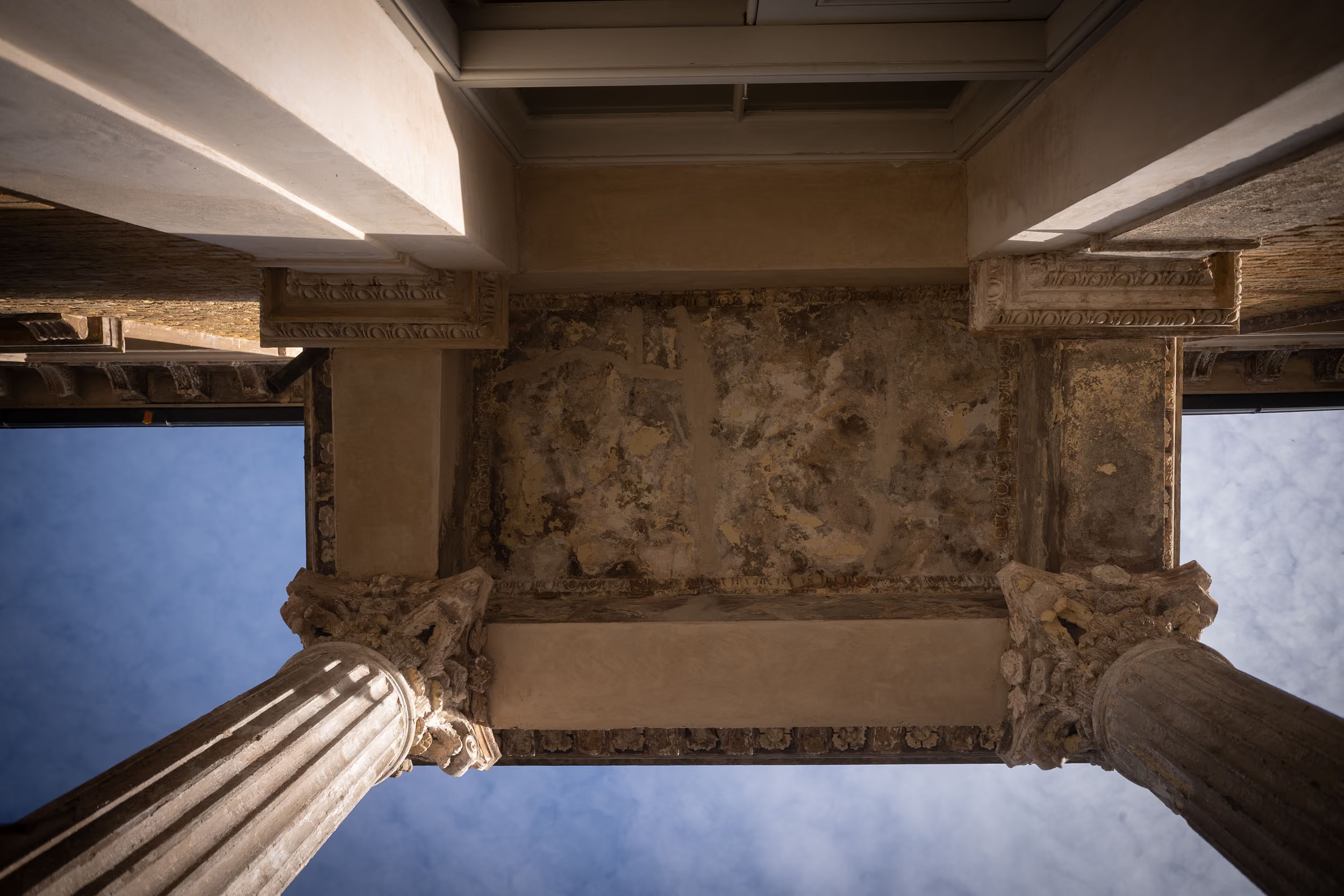
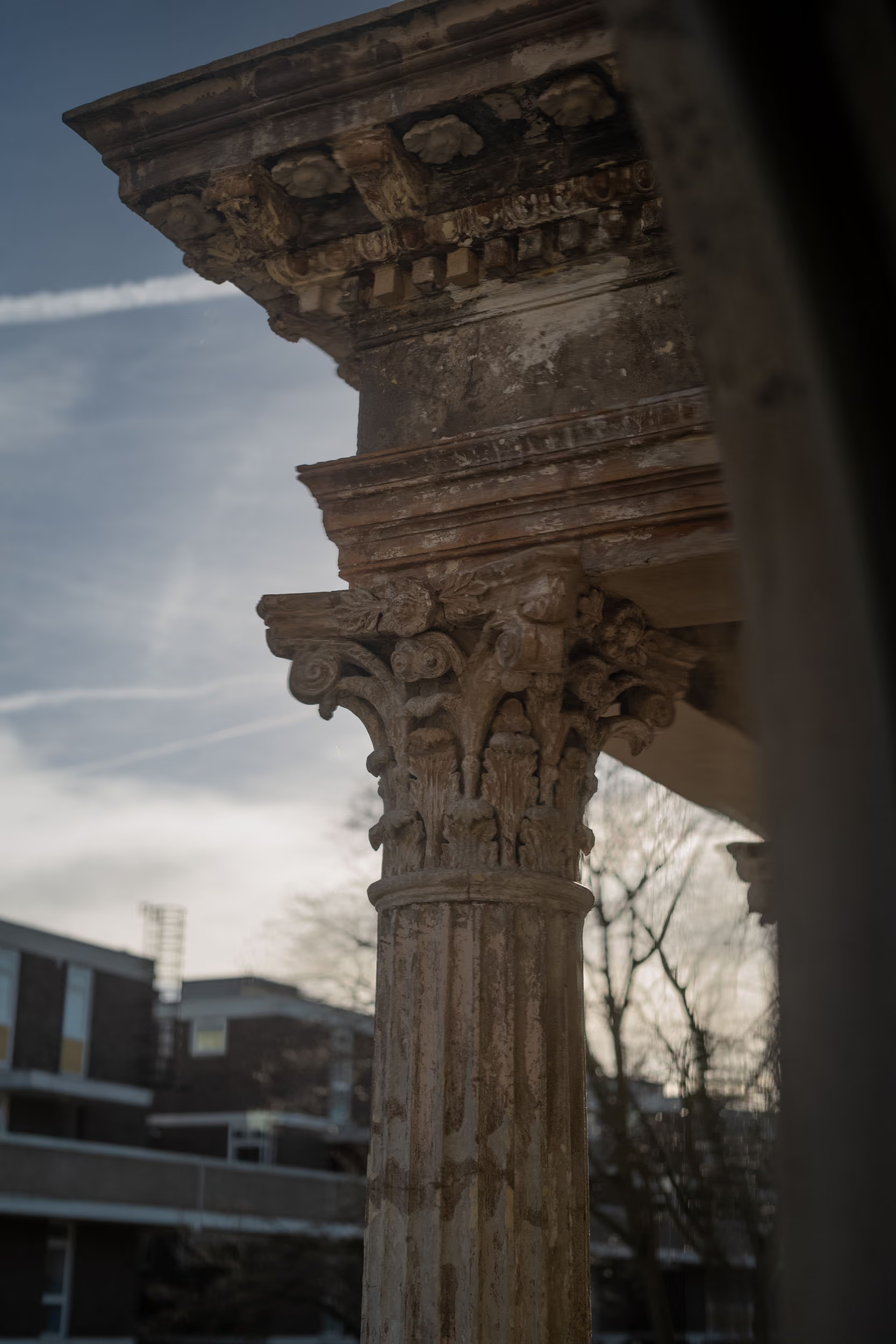
It’s been a long journey. From the first day looking up at the sky through the building’s open roof, to watching Triskele Building & Conservation Limited put the finishing touches to the Corinthian style façade’s Roman cement architraves, columns and corbels.
Triskele’s involvement in that journey began quite by chance. Passing the house one day, Conor Meehan noticed repointing works underway and stopped to speak to the owner. It transpired that Jessie was carrying out the work herself, developing her own mortar mixes and carefully working through sample panels. A conversation about lime mortar soon turned to the conservation of the façade.
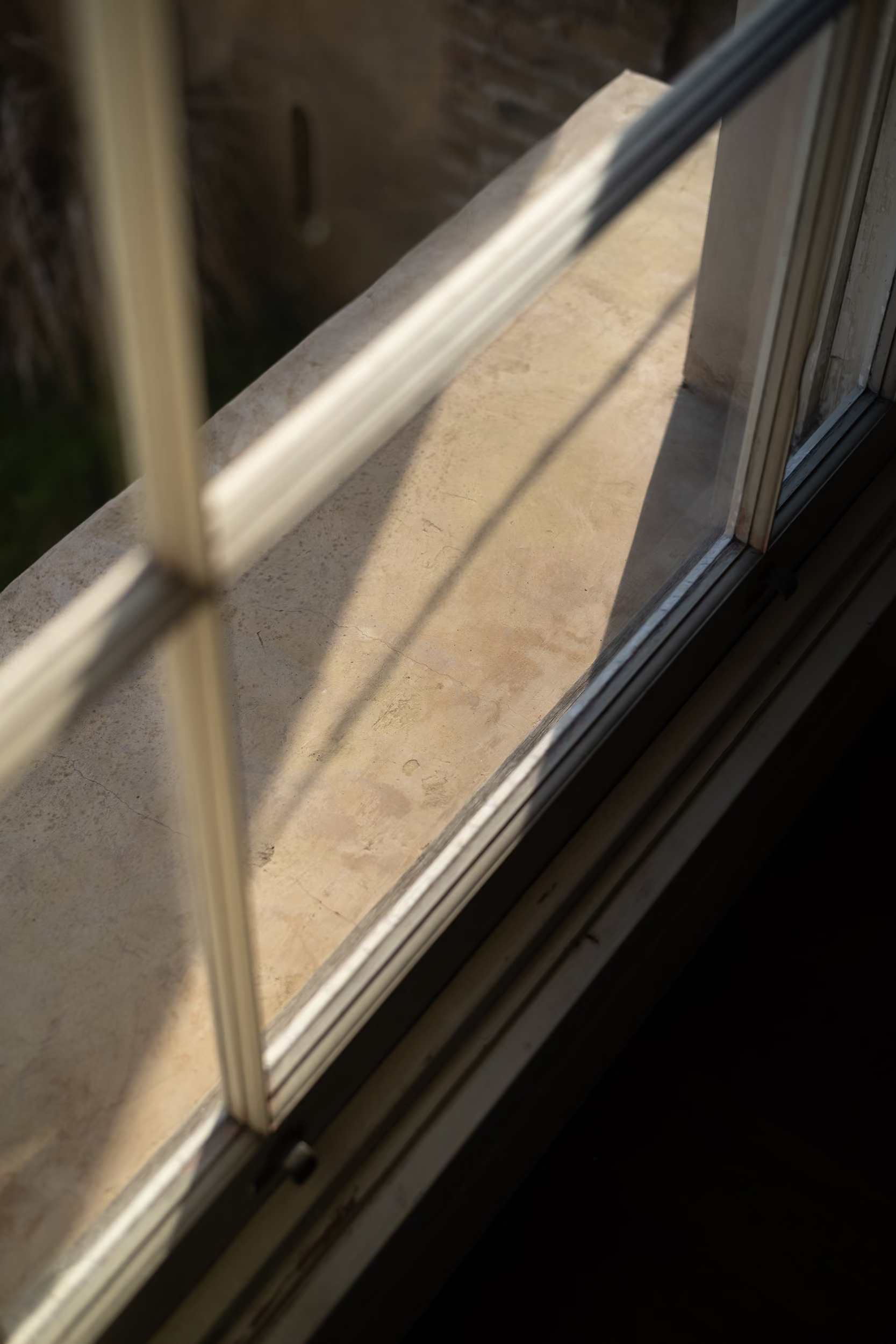
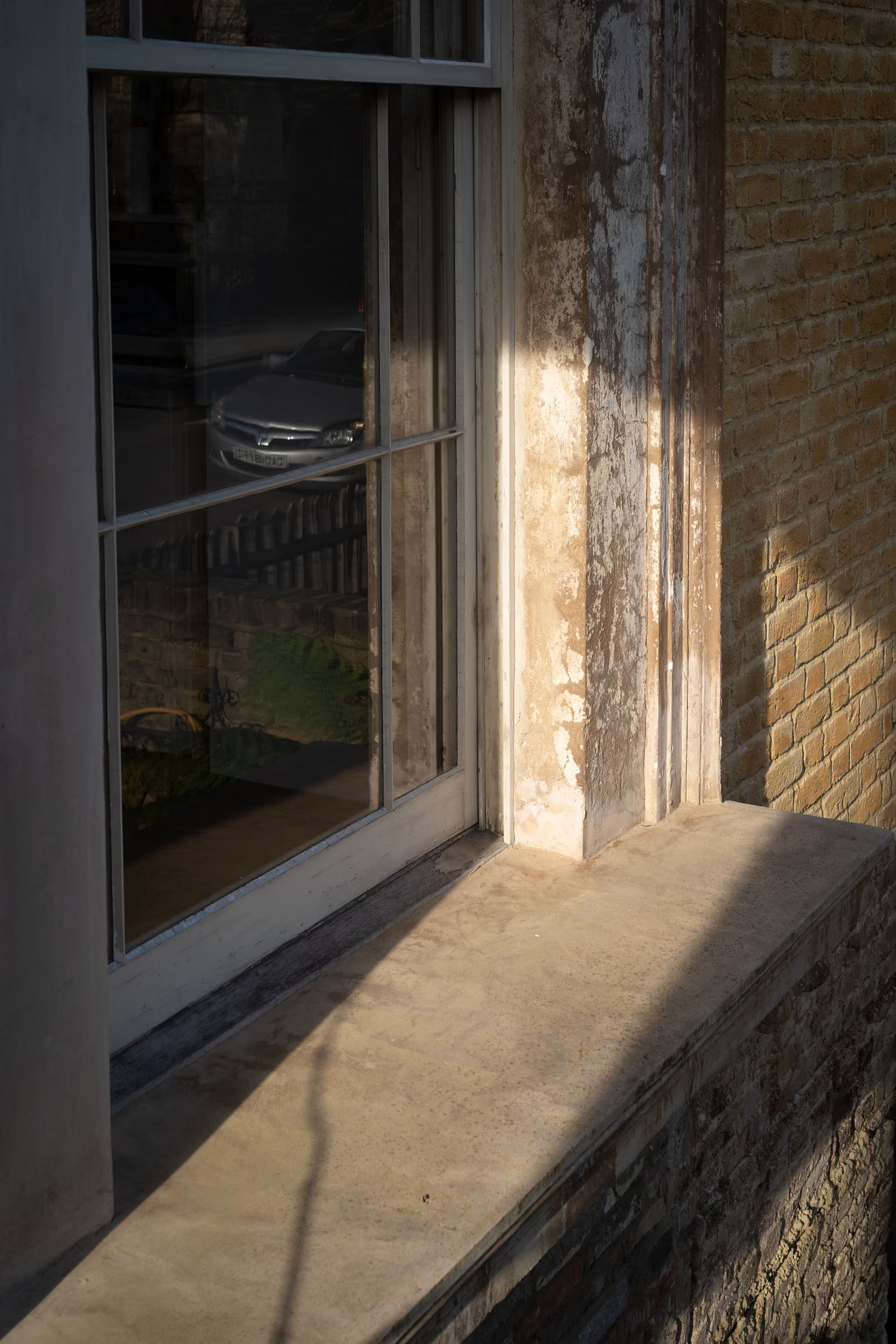
Jessie had previously been advised that the surviving decorative Roman cement around the windows and entrance portico would need to be removed before the details could be reinstated. Triskele’s advice was quite the opposite. The surviving historic fabric was sound enough to be conserved in situ, so there was simply no justification for removing it.
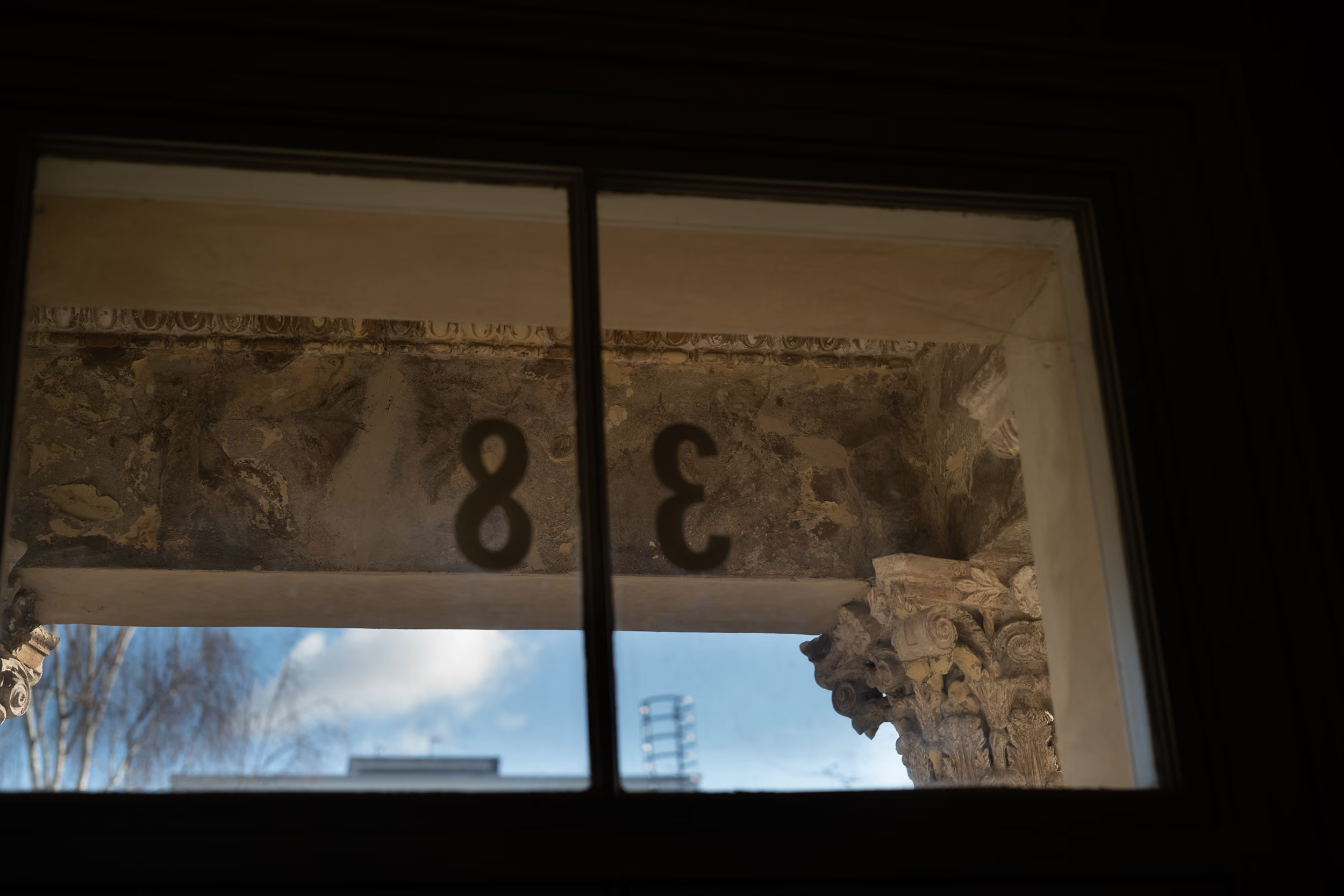
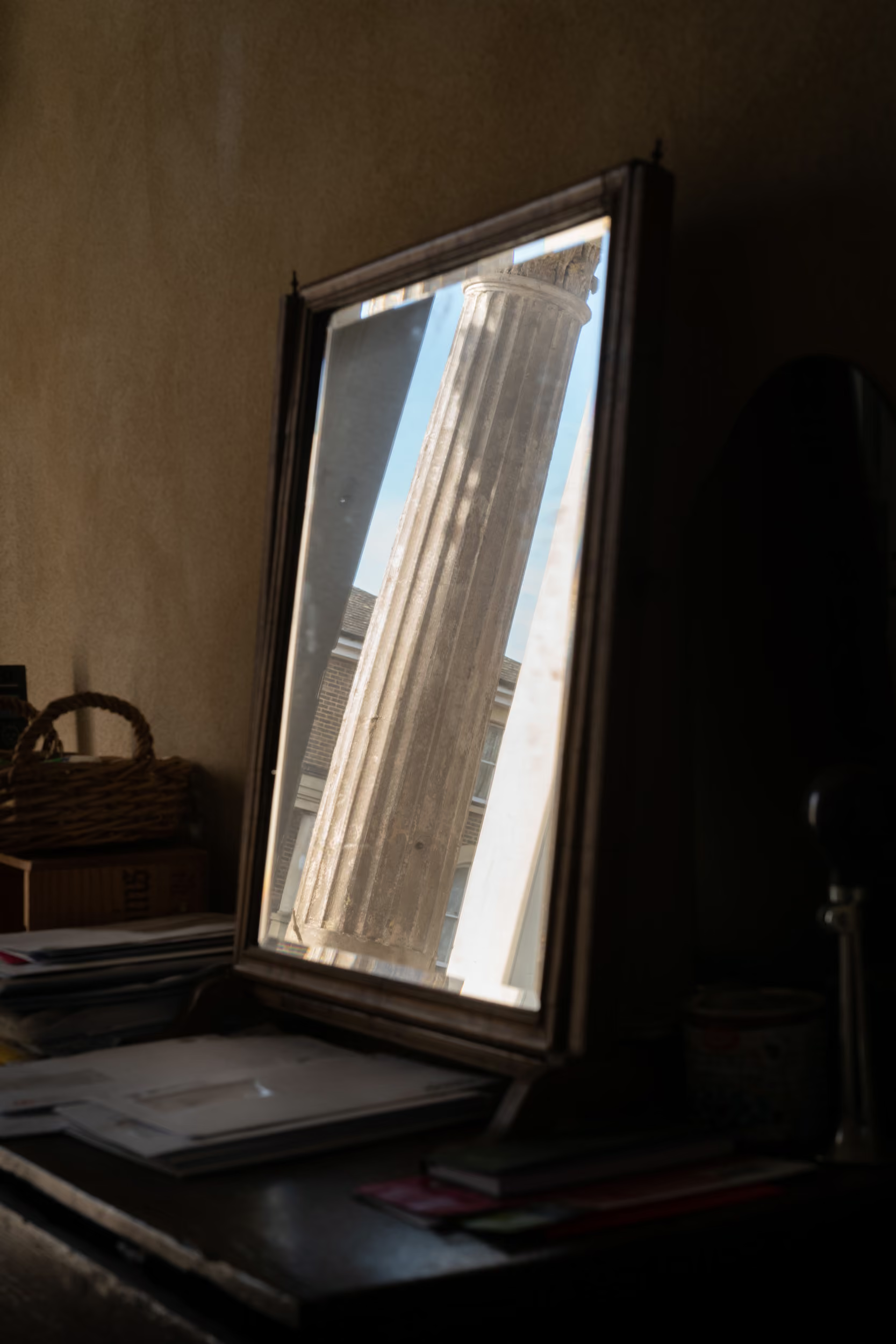
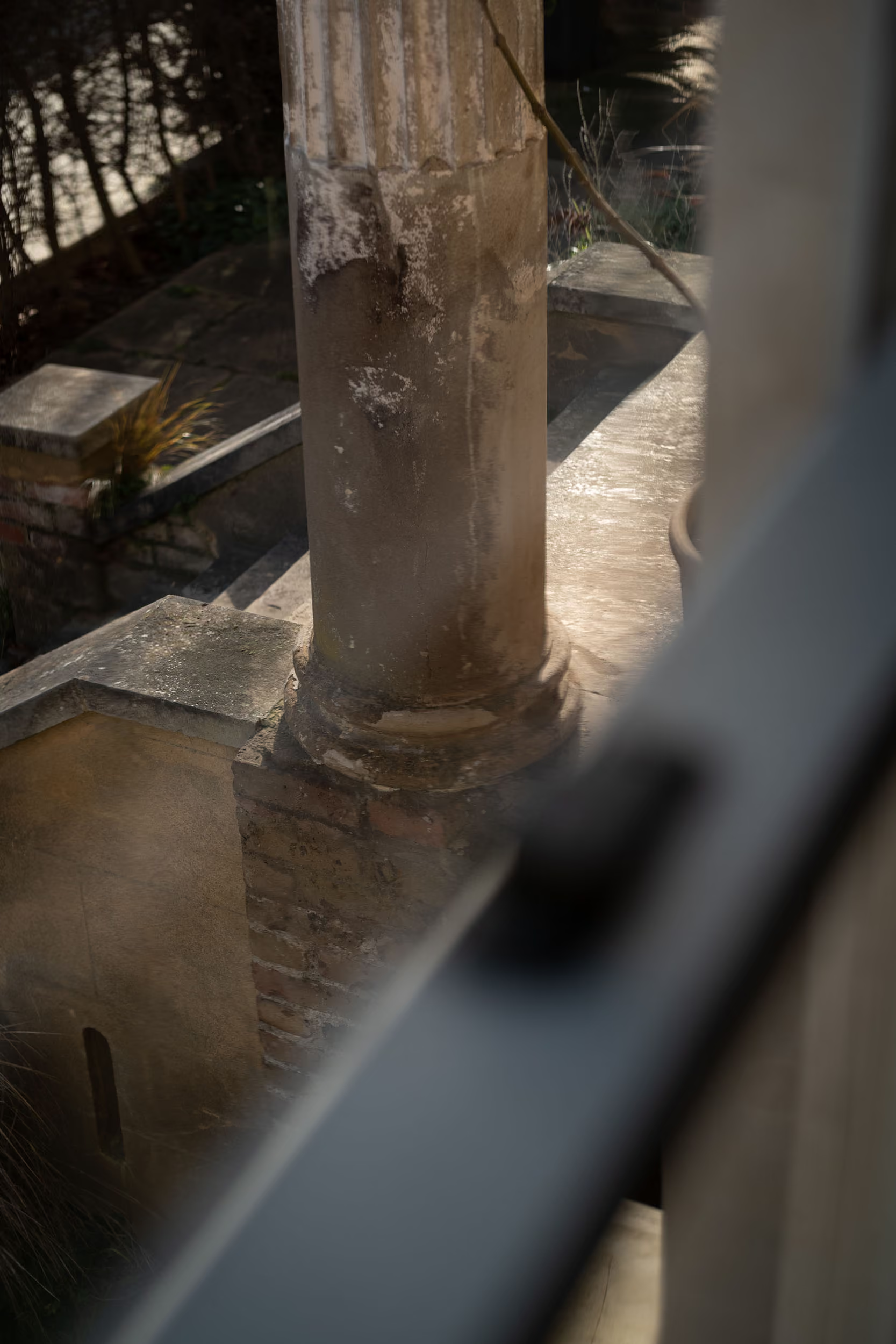
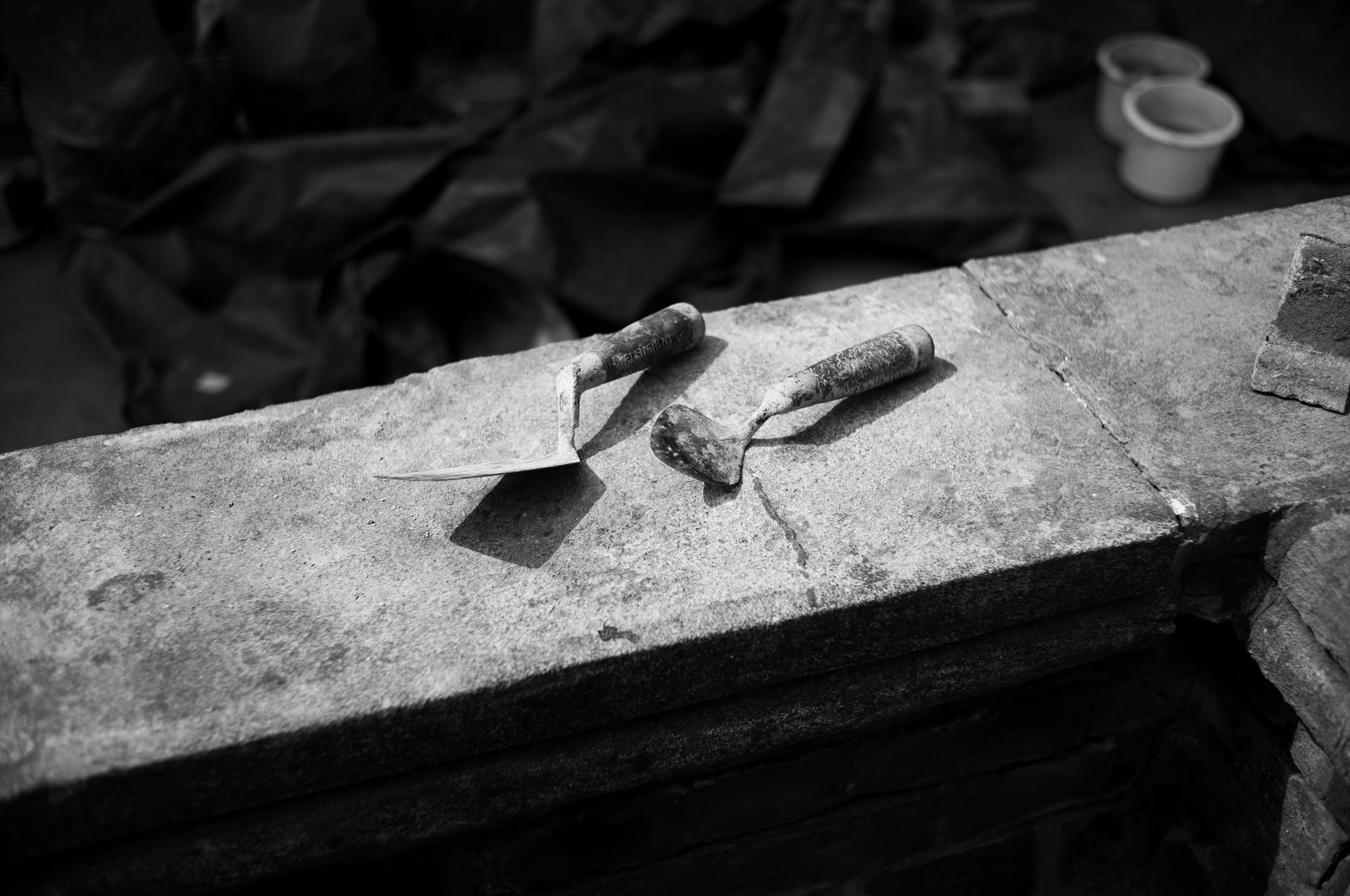
Working with master plasterer Phil Bailey, the original fragments were carefully retained and repaired. Missing sections of the Roman cement architraves, fluted surrounds, columns, corbels and other decorative elements were fabricated and formed on site, with new work installed and finished in situ to blend seamlessly with the surviving originals.
At roof level, the dormers were rendered and their architectural detailing reinstated, including the ruled lines and supporting brackets beneath the eaves. Minor repairs were also carried out to the portico roof.
What might otherwise have become a wholesale replacement of an historic façade instead became an exercise in careful conservation: retaining the original work wherever it survived and introducing new material only where something had genuinely been lost.
For a building that had already survived dereliction, fire, abandonment and rather more than its fair share of drama, there seemed little reason to remove anything else.
Jessie rescued The Acid House. We were very pleased to have played our small part in that rescue, helping to preserve and reinstate some of the details that make No. 38 one of the outstanding buildings of Guildford Road.
Scope of work
Conservation of surviving Roman cement façade detailing in situ; repairs to historic Roman cement window surrounds and architraves; conservation and repair of Corinthian-style portico detailing; fabrication and reinstatement of missing fluted decorative elements; fabrication and reinstatement of missing columns, corbels and architectural mouldings; Roman cement repairs formed, cast and finished on site; in situ integration of new Roman cement work with surviving original fabric; lime mortar repairs and repointing; rendering of roof dormers; reinstatement of ruled decorative detailing to dormers; fabrication and reinstatement of supporting brackets beneath the eaves; localised repairs to portico roof
Materials used
Roman cement; lime mortar; lime-based render; carefully selected and matched aggregates; traditional moulding and casting materials; compatible breathable decorative finishesd
Client type
Residential
Duration
Two months

© Triskele Building and Conservation 2026